
Historic Building Architecture
Specialist Conservation Architect
Repair, conservation and sensitive adaptation of listed and historic buildings across Somerset, Wiltshire and the South West, led by a RIBA-accredited Specialist Conservation Architect.
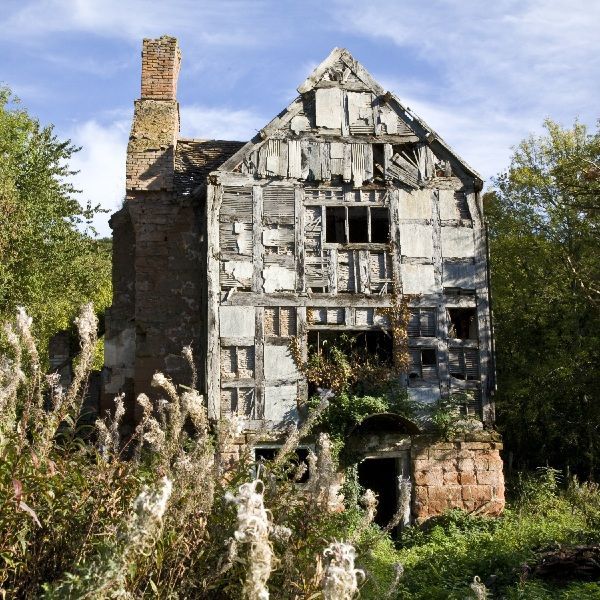
Conservation Expertise
The Practice
Understanding a building comes before proposing anything. Its rationale, the evolution of its form, its construction and its materials — all of that has to be read before the first line is drawn.
Rhys Brookes is a Specialist Conservation Architect on the RIBA Conservation Register, with a postgraduate diploma in conservation from the Architectural Association and early experience on Grade I-listed classical structures. That grounding — followed by years of medieval timber repair and green oak work- shapes how the practice approaches every historic building.
As a listed building architect, we work on repair, conservation, alteration and conversion, from small domestic properties to churches and buildings at risk. Rebecca Harrison brings an SPAB Scholarship and a career that began restoring listed medieval churches and vernacular buildings across Somerset.
What we do
Historic building conservation, in practice
1
Listed buildings
Grade I, II* and II properties, repair, alteration and extension. We prepare the historic building analysis, condition assessment and repair strategy that any credible listed building application depends on
2
Historic buildings and buildings at risk
Structures that are not listed but are old, unusual or failing. Buildings at risk in particular need a clear-eyed assessment of what can be saved, what must be replaced, and in what order the work should happen.
3
Conversion and adaptation
Bringing redundant historic buildings back into use, barns, chapels, agricultural and institutional buildings — with interventions that are legible as new work rather than pastiche.
4
Repair and sensitive restoration
Traditional materials and construction: lime, timber frame repair, green oak, wattle and daub, hempcrete, historic brick and stone. Minimum intervention, and repair in preference to replacement wherever the fabric allows.
5
Historical research and analysis
Documentary research, fabric analysis and, where it's warranted, specialist input from archaeologists, dendrochronologists and geologists. Knowing when a building was altered, and why, changes what you propose.
Planning and consent
LBC
Listed Building Consent is required for any works affecting the special interest of a listed building, inside and out, and often for things owners don't expect.
Our experience
Imaginative designs that still satisfy conservation requirements
The practice has particular experience in securing Planning Permission and Listed Building Consent for schemes that are genuinely ambitious. Consent is rarely won by arguing, it's won by putting forward a design that demonstrates the significance of the building has been understood, and that what's proposed enhances rather than erodes it.
We prepare and submit applications, produce heritage statements and supporting analysis, and deal with conservation officers, planning officers and amenity societies on your behalf.
Balancing past and present
A historic building has to earn its keep
Character and significance
Every historic building has elements that carry its significance and elements that don't. Identifying which is which early and honestly is what allows real change to happen without damage.
Fit for modern life
Warmth, daylight, storage, kitchens and bathrooms that work, accessibility. A building that can't accommodate the way people live now will not survive as a building; conservation and use go together.
New work, honestly made
Where an addition is needed, we design it as clearly of its own time and detailed to sit comfortably against what's already there. Imitation flatters nobody and rarely satisfies a conservation officer
Sustainability
The greenest building is usually the one already standing
An existing building holds decades or centuries of embodied energy. Demolishing and replacing it discards that entirely, and the carbon cost of the replacement takes many years to repay. Wherever it is appropriate, we retain, repair and improve rather than replace.
That extends to retrofit. Improving the thermal performance of a historic building is possible, but it has to be done with an understanding of how the fabric handles moisture, which is why insulation decisions on a solid-walled or timber-framed building are conservation decisions, not just energy ones.
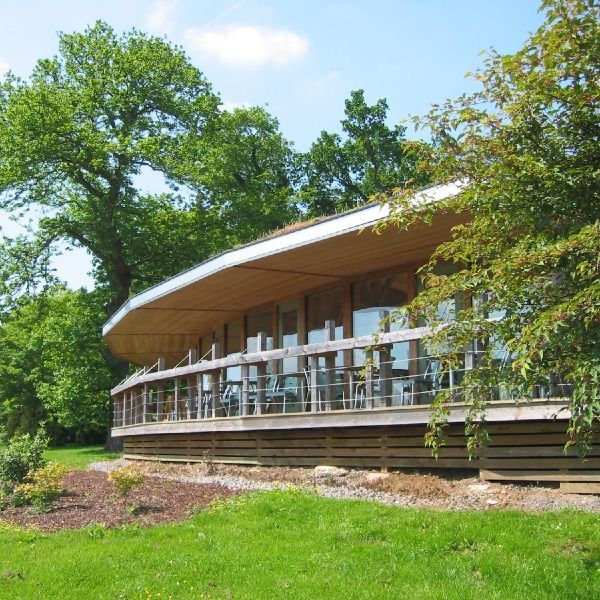
Relevant experience
Organisations we have worked with
Alongside private clients, the practice has worked for organisations whose entire purpose is the care of historic buildings, bodies that hold their architects to a demanding standard of research, documentation and repair philosophy.
We are proud that our work has been recognised by many organisations, including the RIBA Conservation Award, The Georgian Group and the Architectural Awards and Constructing Excellence Award.
Selected work
Conservation projects
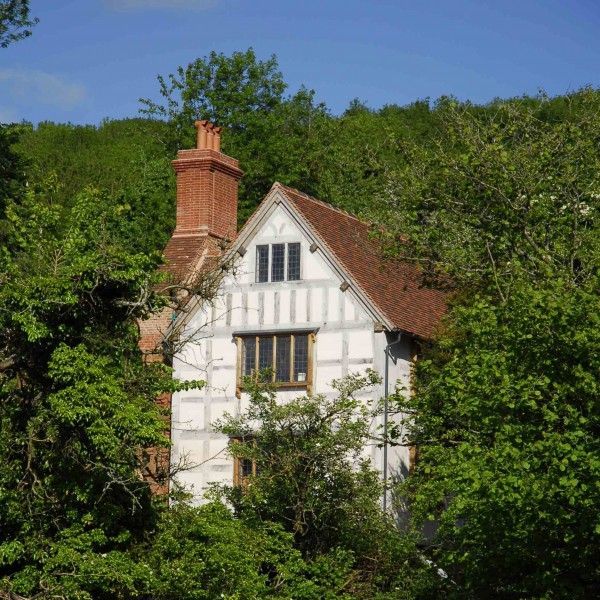
The Old Courthouse - Conservation
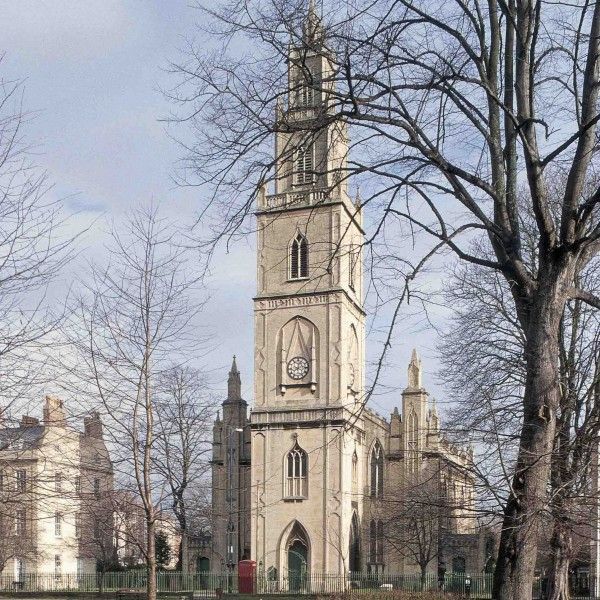
St. Paul's Church Bristol - Conservation
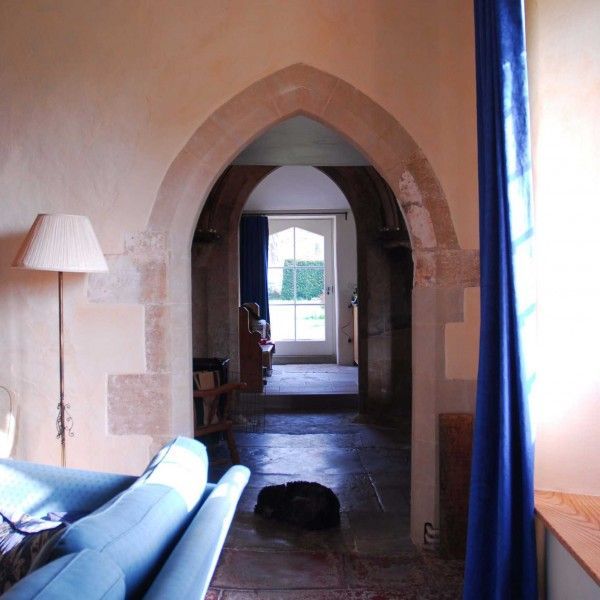
Court Farm - Conservation
The practice offers a full architectural service for new and existing buildings, from a few hours' consultation through to contract administration on site.
Also from the practice
Planning a new building, extension or conversion?